GI Endoscopy · 1 min read
Couinaud Classification of Liver Segments: 2026 Clinical Reference
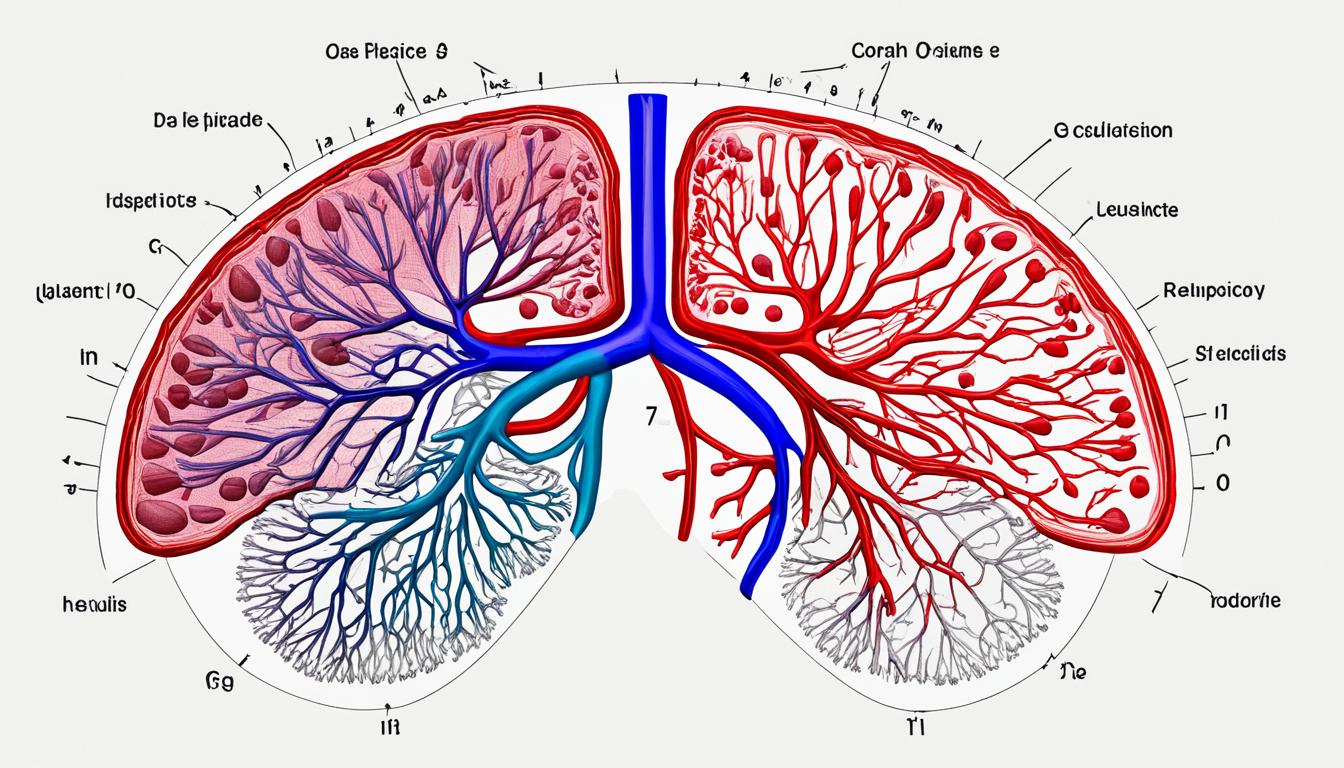
Clinical Bottom Line
| Segment | Anatomical Location | Clinical Relevance |
|---|---|---|
| I | Caudate Lobe | Drains directly into IVC; autonomous from main hepatic veins. |
| II / III | Left Lateral / Left Medial | Supplied by left portal vein; typical resection boundaries for left lateral sectionectomy. |
| IVa / IVb | Left Medial (Superior/Inferior) | Bounded by falciform ligament; shares vascular variations. |
| V / VIII | Right Anterior (Inferior/Superior) | Bounded by middle and right hepatic veins; high risk during right hepatectomy. |
| VI / VII | Right Posterior (Inferior/Superior) | Posterior lateral aspects; common sites for isolated metastatic deposits. |
Functional Autonomy in Hepatic Segmentation
The Couinaud classification remains the global standard for hepatic surgical anatomy, dividing the liver into eight functionally independent segments. Unlike morphological lobar divisions, Couinaud segments are defined by their distinct vascular inflow (portal vein and hepatic artery branches), biliary drainage, and venous outflow through the hepatic veins.
Each segment acts as an autonomous functional unit, allowing surgeons to perform precise anatomic resections—such as segmentectomies or sectorectomies—while preserving the vascular integrity and functional parenchyma of the remaining liver.
Mnemonic Device for Rapid Recall
Surgical residents frequently utilize spatial mnemonics (e.g., the "fist rule" or "clockwise numbering" starting from the caudate lobe) to map the segments intraoperatively. Segment I (Caudate) is unique as its venous drainage routes directly into the inferior vena cava, bypassing the three main hepatic veins.
Limitations and Cirrhotic Distortion
While the Couinaud model is robust for normal anatomy, chronic liver disease significantly distorts segmental boundaries. In advanced liver cirrhosis, parenchymal atrophy, nodular regeneration, and hypertrophy (especially of the caudate lobe) can dramatically alter the spatial relationships of the segments, requiring advanced cross-sectional imaging (CT volumetry or MRI) for preoperative planning.
Clinical guidelines summarized by the Gastroscholar Research Team. Last updated: 2026. This article is intended for physicians.
For your teaching file
Save this article as a PDF
Drop your email and we'll open a print-ready version you can save as a PDF — and you'll start getting our weekly GI endoscopy newsletter.