Topics GI Bleeding
GI Bleeding
Endoscopic management of upper and lower gastrointestinal bleeding — diagnosis, hemostasis, and prevention of rebleeding.
7 articles
Gastrointestinal bleeding is one of the highest-volume indications for emergent endoscopy. The clinical priorities are resuscitation, source identification, and durable hemostasis. Bleeding is broadly classified by anatomic location: upper GI bleeding originates proximal to the ligament of Treitz (typically from peptic ulcers, esophageal or gastric varices, Mallory-Weiss tears, Dieulafoy lesions, and angiodysplasias), middle GI from the small bowel (often vascular lesions and tumors), and lower GI from the colon (diverticular disease, angiodysplasia, ischemic and inflammatory colitis, hemorrhoids, post-polypectomy bleeding).
Endoscopic hemostasis combines mechanical, thermal, and injection techniques. Through-the-scope and over-the-scope clips, band ligation, gold probe and bipolar coagulation, argon plasma coagulation, and dilute epinephrine injection are the workhorse tools. The Forrest classification guides treatment of peptic ulcer bleeding, and combination therapy (injection plus a second modality) outperforms monotherapy for high-risk lesions.
The articles below cover specific scenarios — from clipping a Mallory-Weiss tear to managing massive duodenal ulcer bleeding with the over-the-scope clip — with case-based pearls and step-by-step technique.
Articles
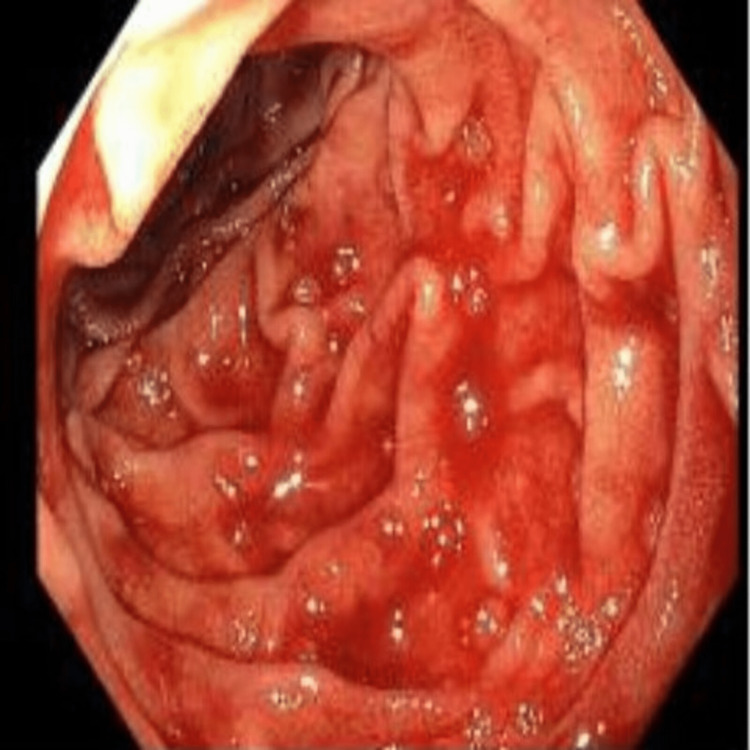 Dieulafoy Lesion Hemostasis in 2026: Find the Vessel, Crush It, Do Not Inject and Leave Mechanical first for gastric and duodenal Dieulafoy. Combination over epinephrine alone. Repeat look if the first EGD is clean.
  Variceal Hemorrhage in 2026: Triage, Banding, Early TIPS, and Gastric Varix Decisions A practical update on acute variceal hemorrhage: first-hour orders, endoscopic band ligation, early TIPS selection, gastric varix therapy, and secondary prophylaxis.
  Over-The-Scope Clips in Upper GI Bleeding: Where OTSC Outperforms Standard Hemostasis in 2026 An evidence-based review of OTSC in upper GI bleeding, including lesion selection, randomized data, technical pitfalls, and when to escalate beyond endoscopic therapy.
  Through-the-Scope Hemoclips in 2026: What to Deploy Tonight, When to Close a Defect, and When TTS Is Not Enough TTS clips for ulcer hemostasis and polypectomy defect closure. Materials and MR labeling, named clip-closure trials, and when to escalate to OTSC without restating that article. Endotherapy Devices: A 2026 Guide to Biliary Stents and Hemostasis Clips
  Endoscopic Hemostasis: Nursing Coordination in GI Bleeds Therapeutic Endoscopy Tooling: Snares, Clips, and Injection Devices (2026)